
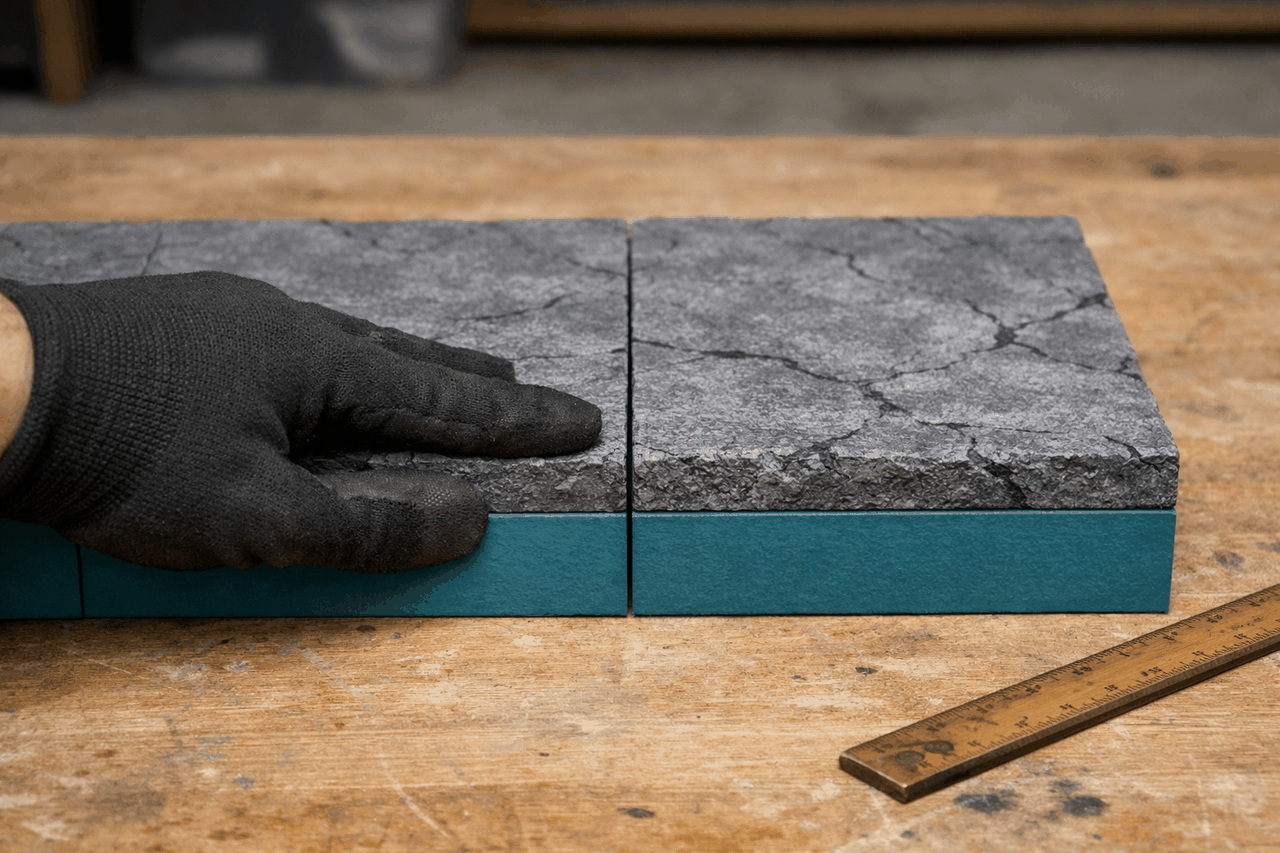
A game asset production pipeline needs two distinct decisions: approval of the artwork and acceptance of its appearance in a build. A source file can look right while its export leaves a visible gap between neighbouring tiles. Approve the visual direction first, then accept the delivered asset only after checking it in a named, versioned… Continue reading Game art and asset production
Game development milestones
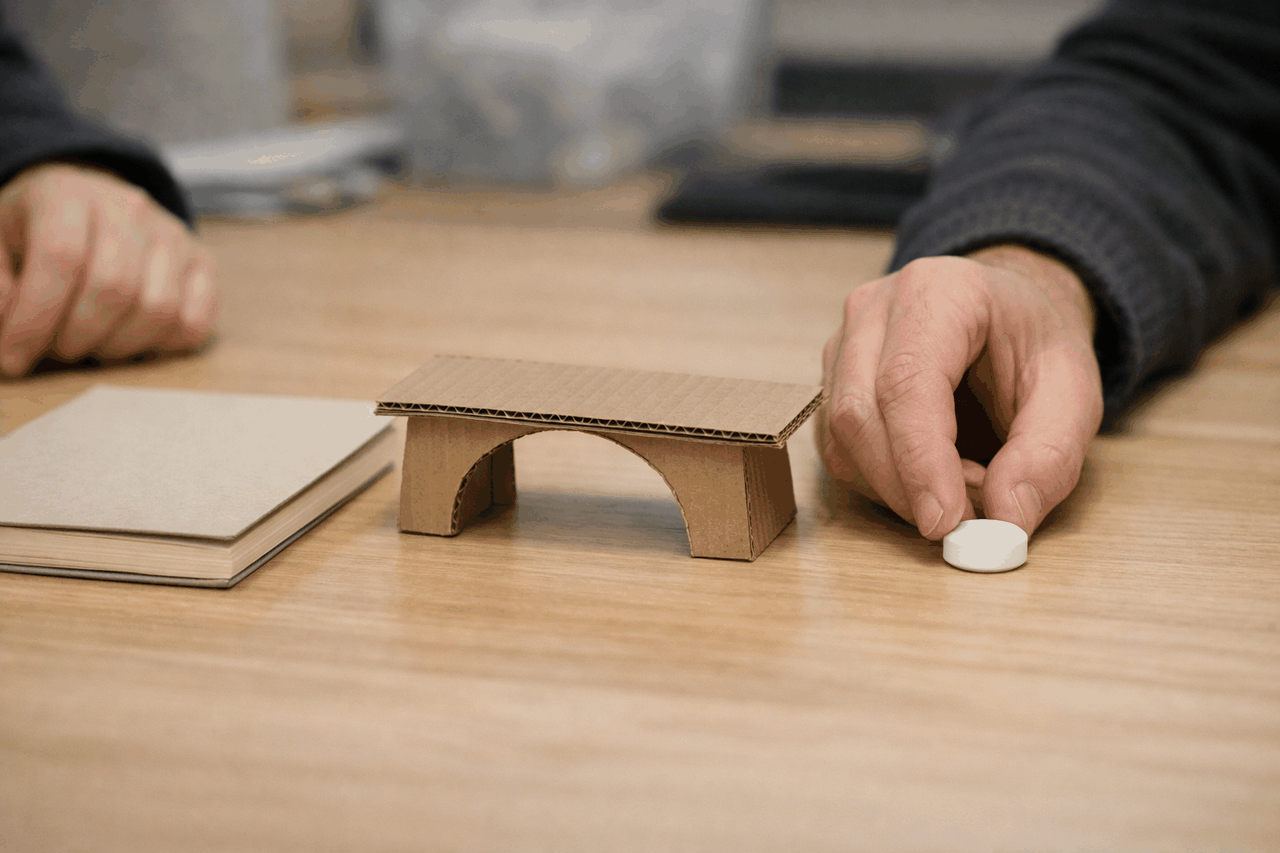
Game development milestones should prove that your team has reached a useful outcome. For each milestone, name the playable deliverable, state what must work and specify the evidence a reviewer will inspect. Put a date against the review, but let the acceptance checks determine whether the milestone passes. Three things belong together without becoming interchangeable.… Continue reading Game development milestones
Game pitch and high-concept document
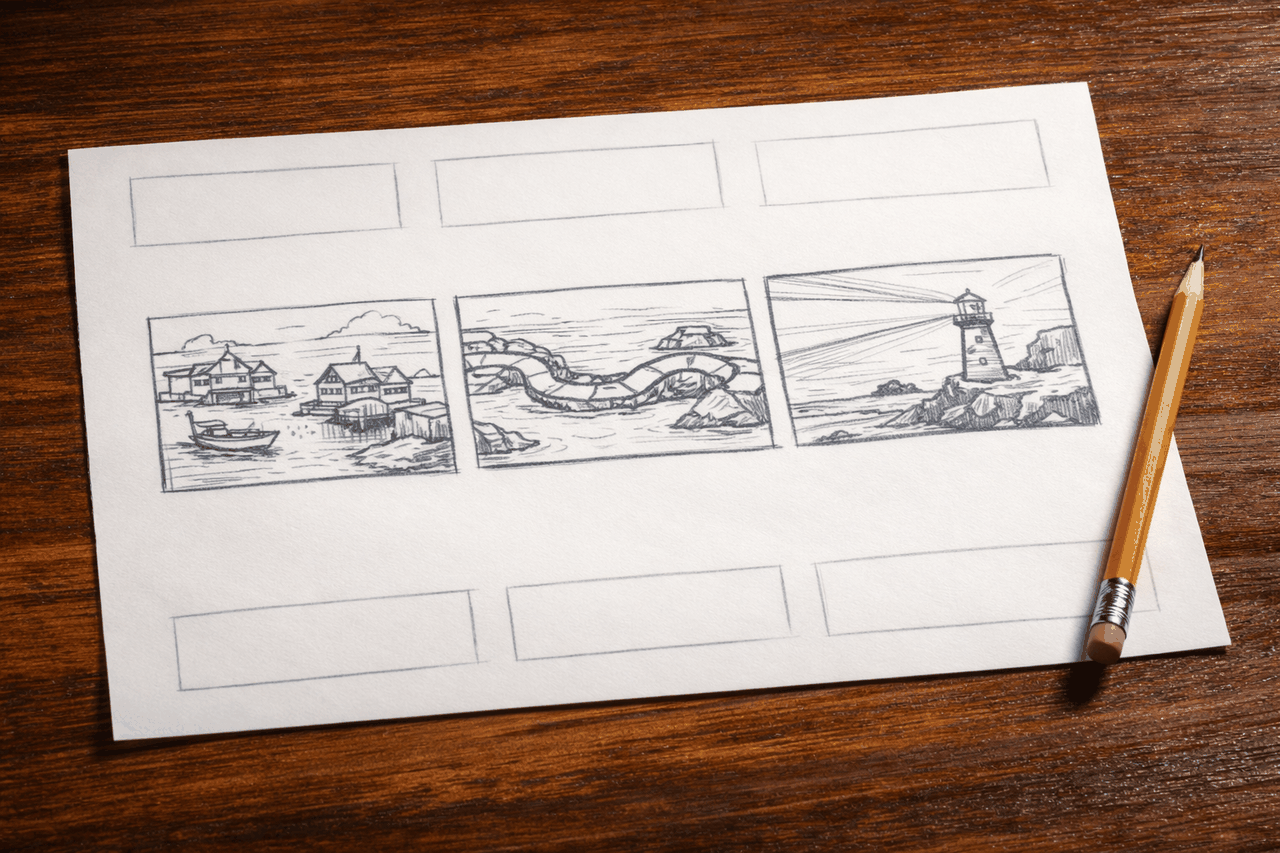
A high-concept game design document example should make the game understandable quickly: what the player does, what makes it distinctive and who it is for. A pitch then gives a reviewer a decision to make, supported by evidence. For a small indie team, one clear page can connect those jobs, while the working game design… Continue reading Game pitch and high-concept document